
For learners
Highway Code essentials
The rules and numbers that come up most, in plain English. Always read the full Highway Code too, it is the source and it is free online.
01
National speed limits (cars)
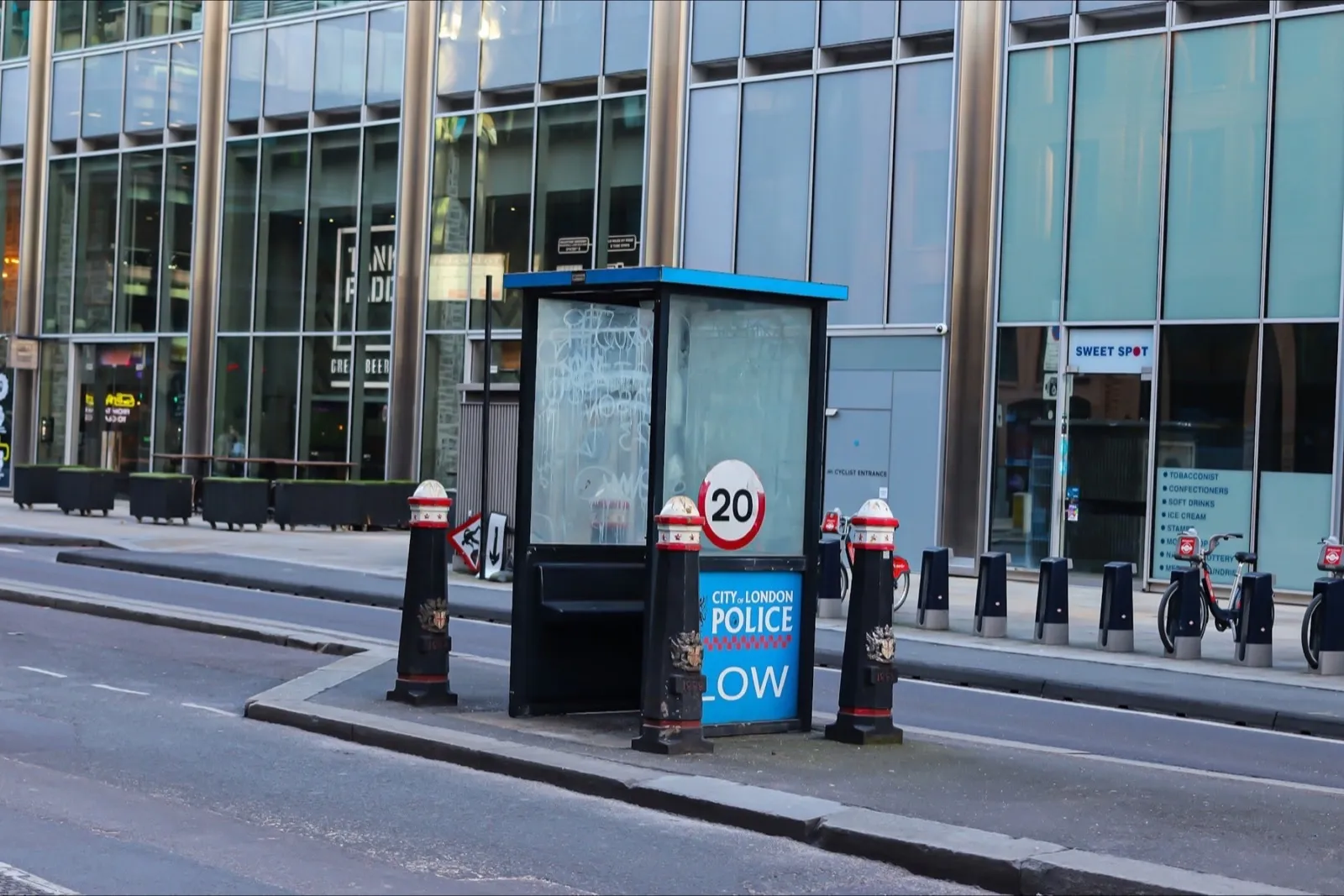
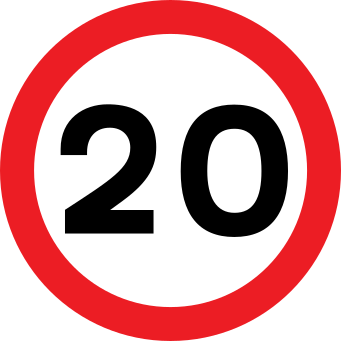
- Built-up areas: 30 mph (many areas are 20, and 20 is the default in Wales).
- Single carriageways: 60 mph.
- Dual carriageways: 70 mph.
- Motorways: 70 mph.
02
Typical stopping distances (Rule 126)
| Speed | Thinking | Braking | Overall |
|---|---|---|---|
| 20 mph | 6 m | 6 m | 12 m (3 car lengths) |
| 30 mph | 9 m | 14 m | 23 m (6 car lengths) |
| 40 mph | 12 m | 24 m | 36 m (9 car lengths) |
| 50 mph | 15 m | 38 m | 53 m (13 car lengths) |
| 60 mph | 18 m | 55 m | 73 m (18 car lengths) |
| 70 mph | 21 m | 75 m | 96 m (24 car lengths) |
Highway Code Rule 126, on a dry road (average car 4 m). Wet roads at least double these; icy roads can be up to ten times greater.
03
Hierarchy of road users (2022 update)
- The idea: those who can do the most harm have the most responsibility to look out for those most at risk, in order: pedestrians, then cyclists, horse riders and motorcyclists.
- At a junction, give way to pedestrians crossing or waiting to cross the road you are turning into or out of.
- Do not cut across cyclists, horse riders or motorcyclists going straight ahead when you turn or change lane.
04
Phone and seatbelt law
- You must not use a hand-held phone or tablet for any reason while driving. The penalty is 6 penalty points and a £200 fine.
- New drivers lose their licence if they reach 6 points within 2 years of passing.
- You must wear a seat belt if one is fitted, front and rear, and the driver must make sure under-14s are belted or in the correct child seat.
05
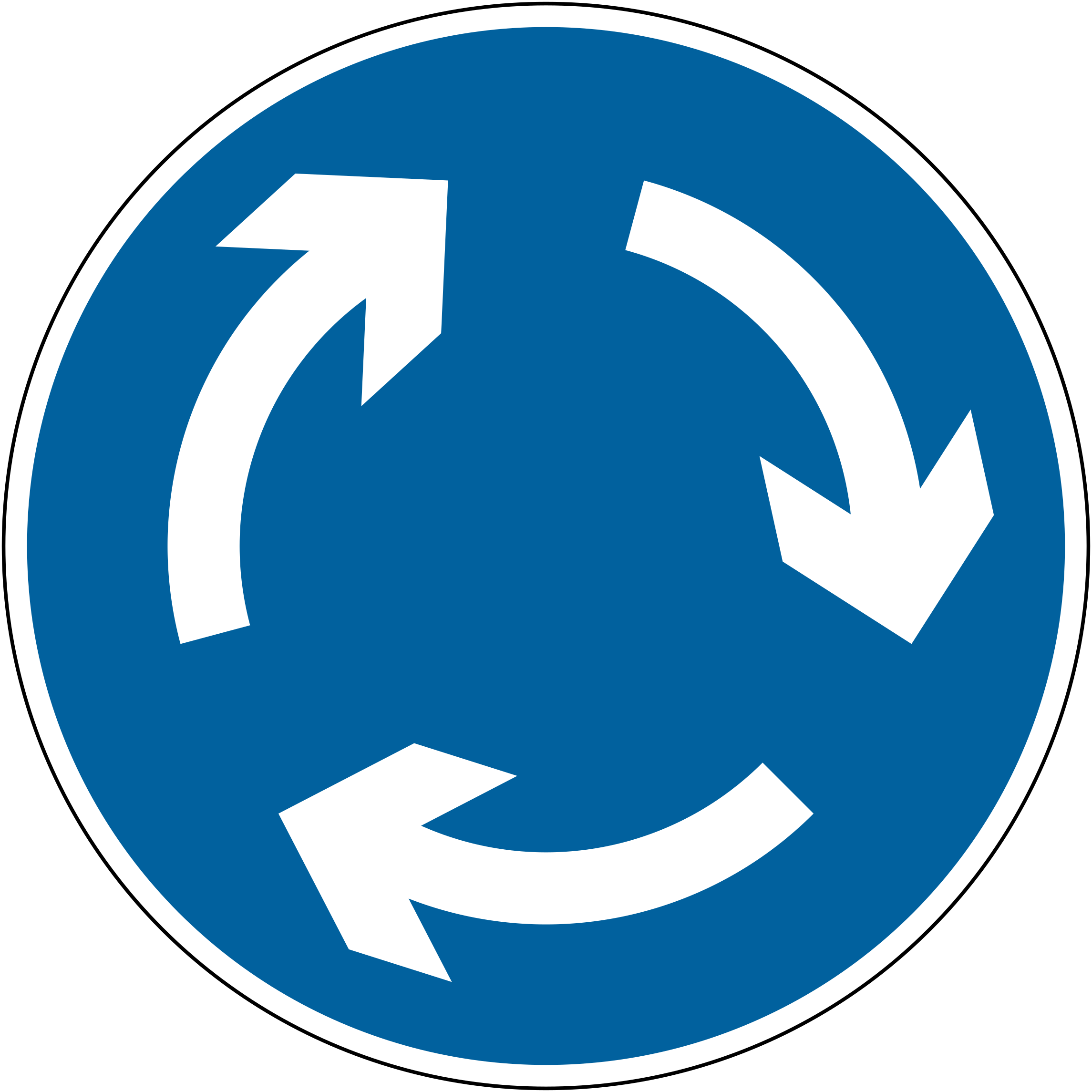
Roundabouts and the MSM routine
- Decide your exit early and get into the correct lane on approach.
- Turning right or going full circle: signal right and approach in the right-hand lane.
- Taking the first exit (left): signal left on approach and stay in the left lane.
- Going straight ahead: no signal on approach, then signal left after you pass the exit before the one you want.
- The routine to work through every hazard is Mirror, Signal, Manoeuvre (MSM). Instructors expand it to Mirror, Signal, Position, Speed, Look (MSPSL).
06
Using the horn (Rule 112)
- Only sound the horn while your car is moving and you need to warn others you are there.
- Never sound it while stationary, or in a built-up area between 11:30pm and 7:00am, unless another road user poses a danger.
07
Common traffic signs
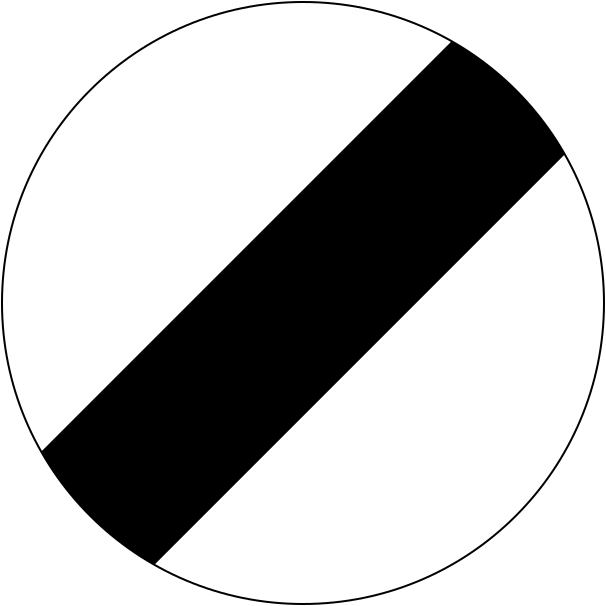
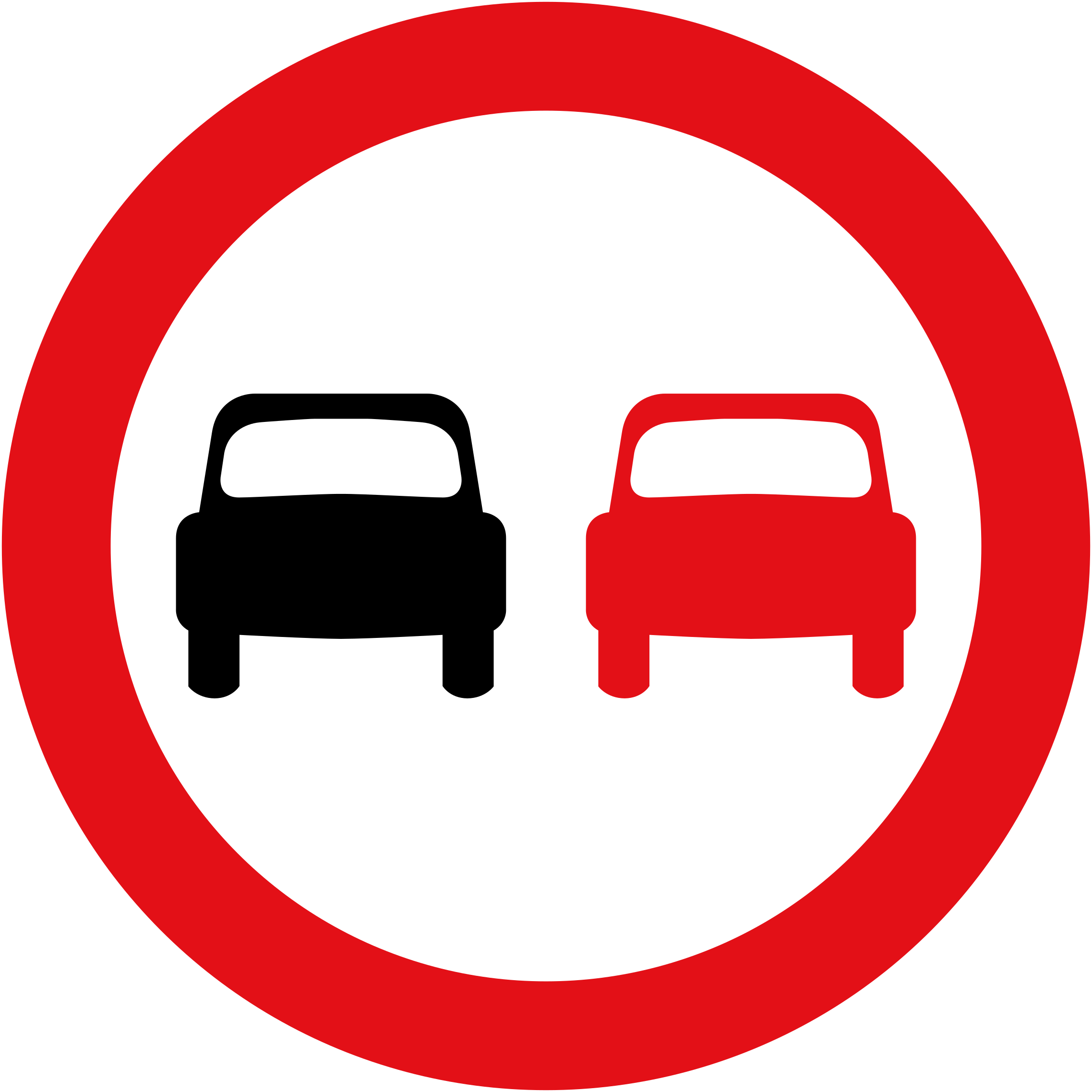
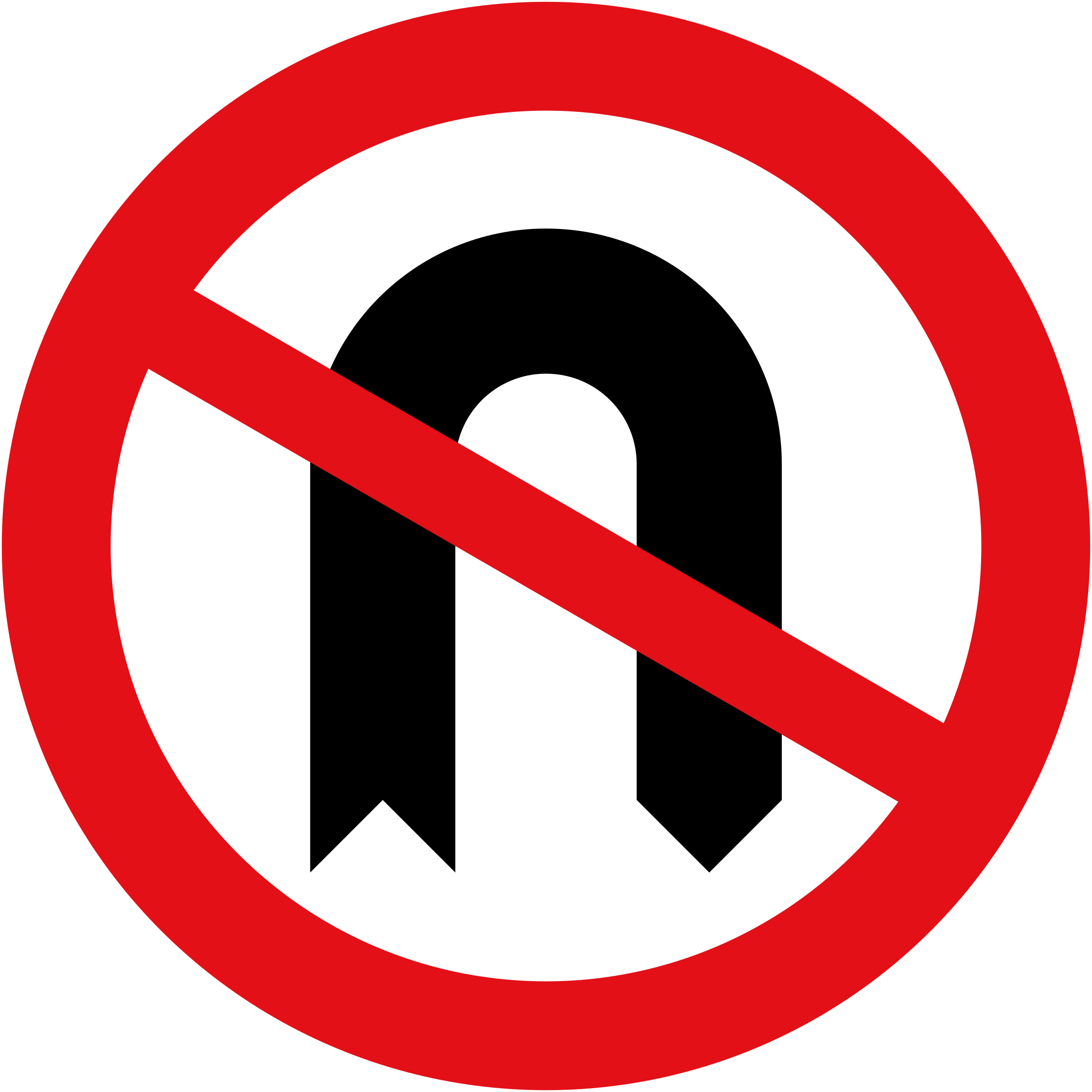
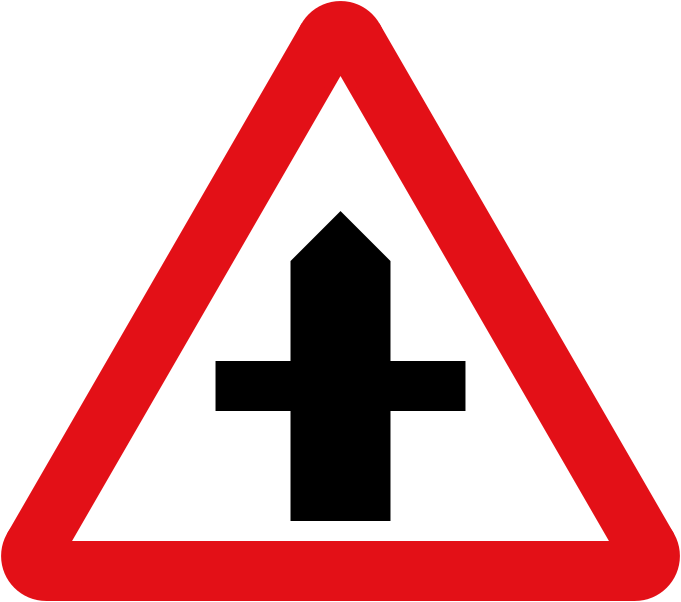
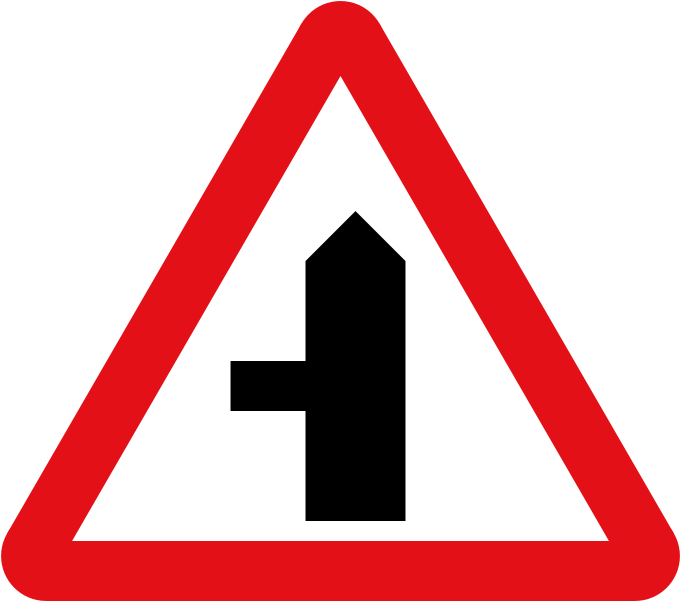
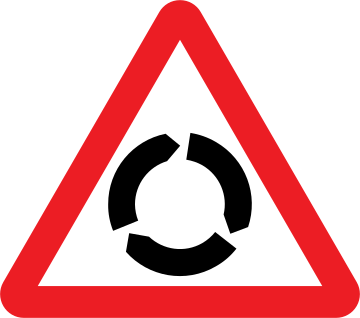
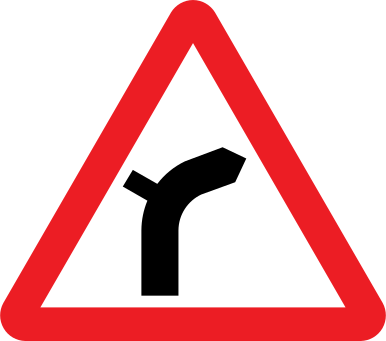
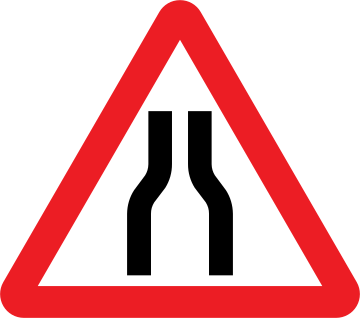
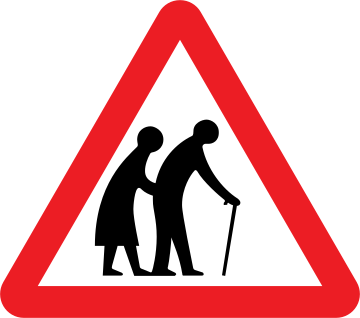
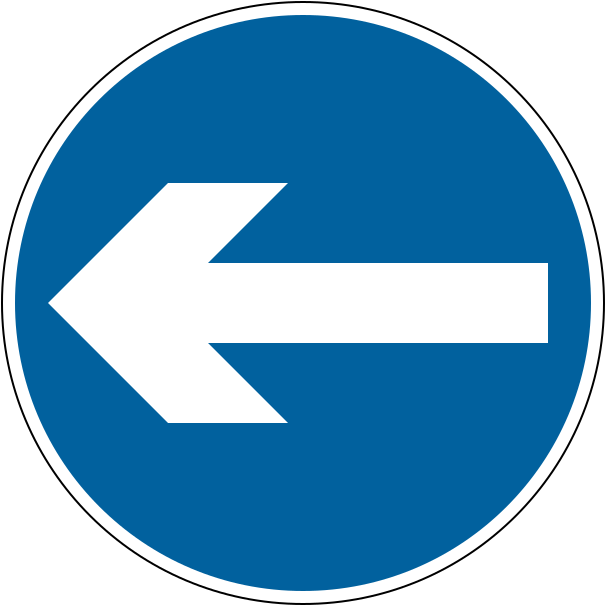
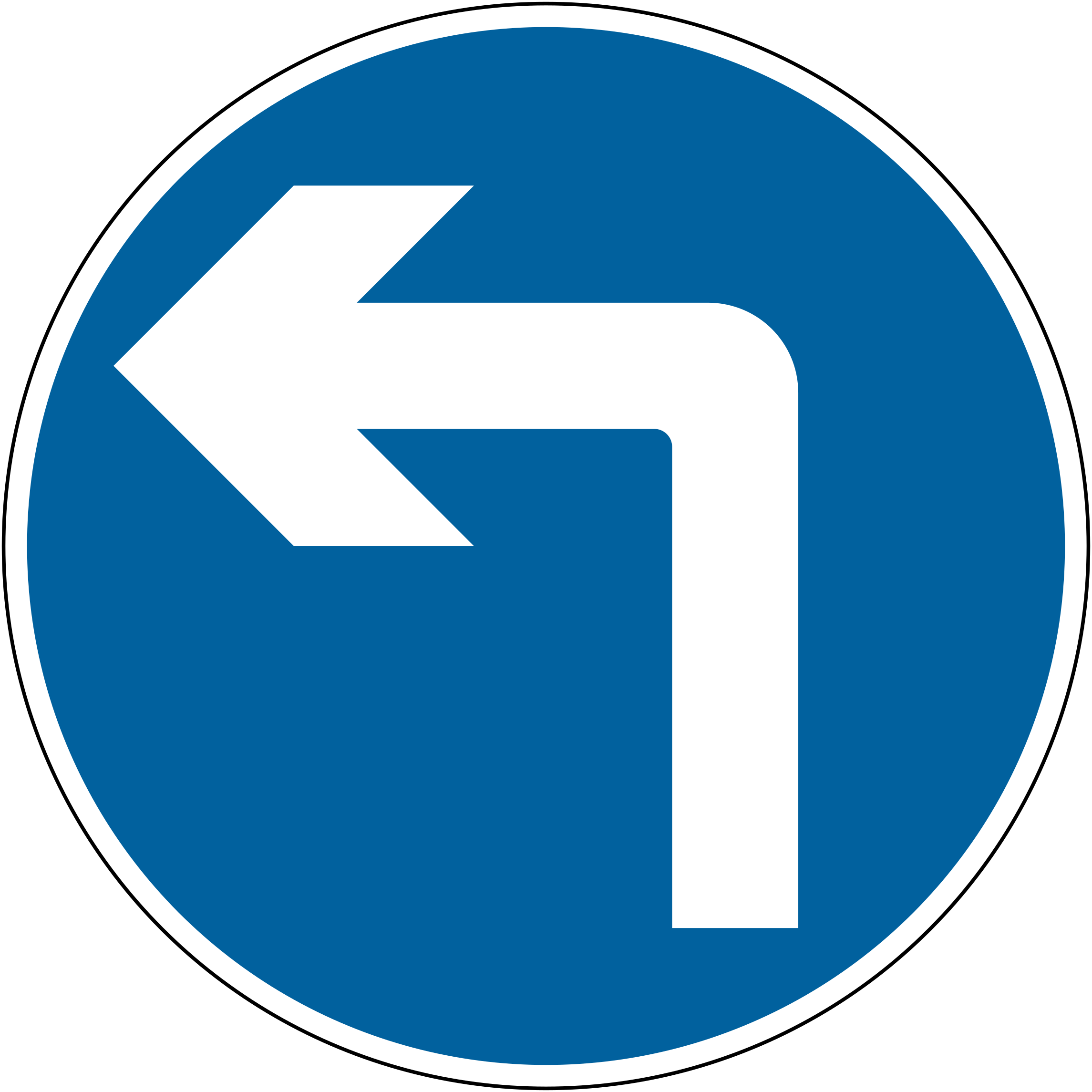
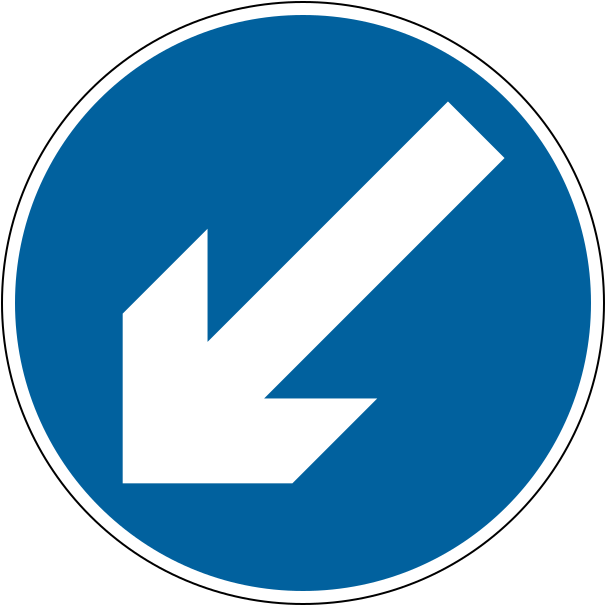
A quick refresher on the shapes and colours: circles give orders (red = prohibition, blue = something you must do), triangles warn, and octagons/inverted triangles are the special STOP and GIVE WAY signs. Here are the ones that come up most.
Signs that give orders

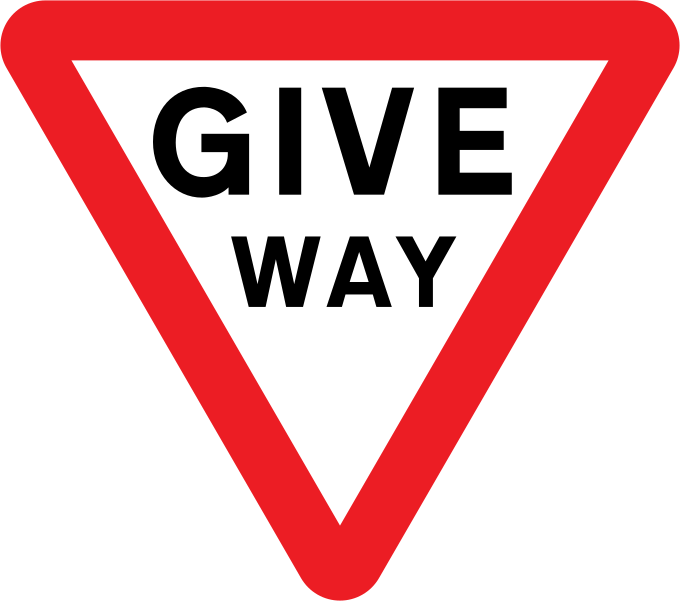
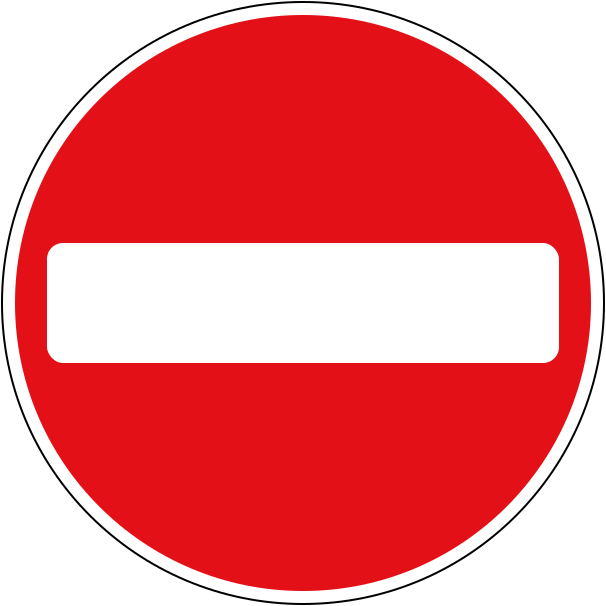
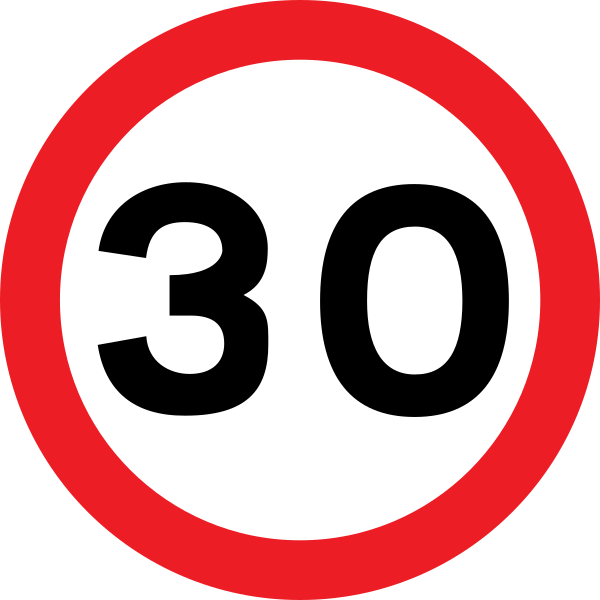
Warning signs
Signs that tell you what to do
Traffic-sign artwork is Crown copyright, reproduced under the Open Government Licence v3.0; meanings from the Highway Code (gov.uk).
Last updated:
Start with a first lesson.