
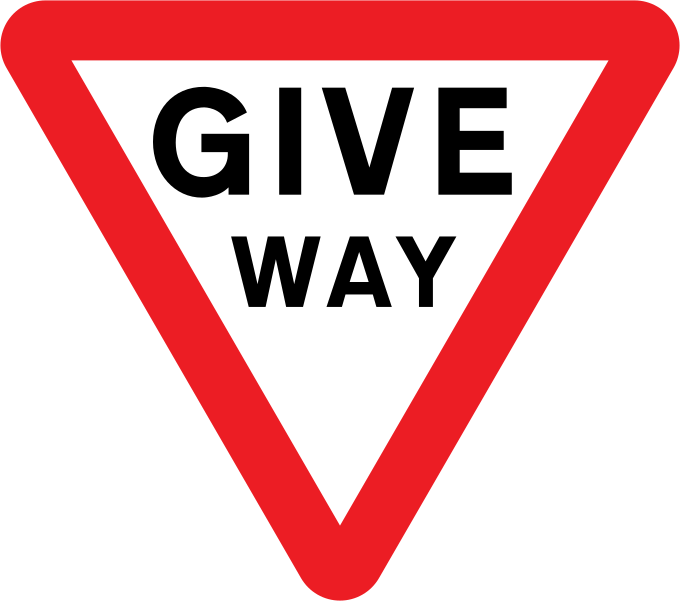
A sign that gives orders
Give way
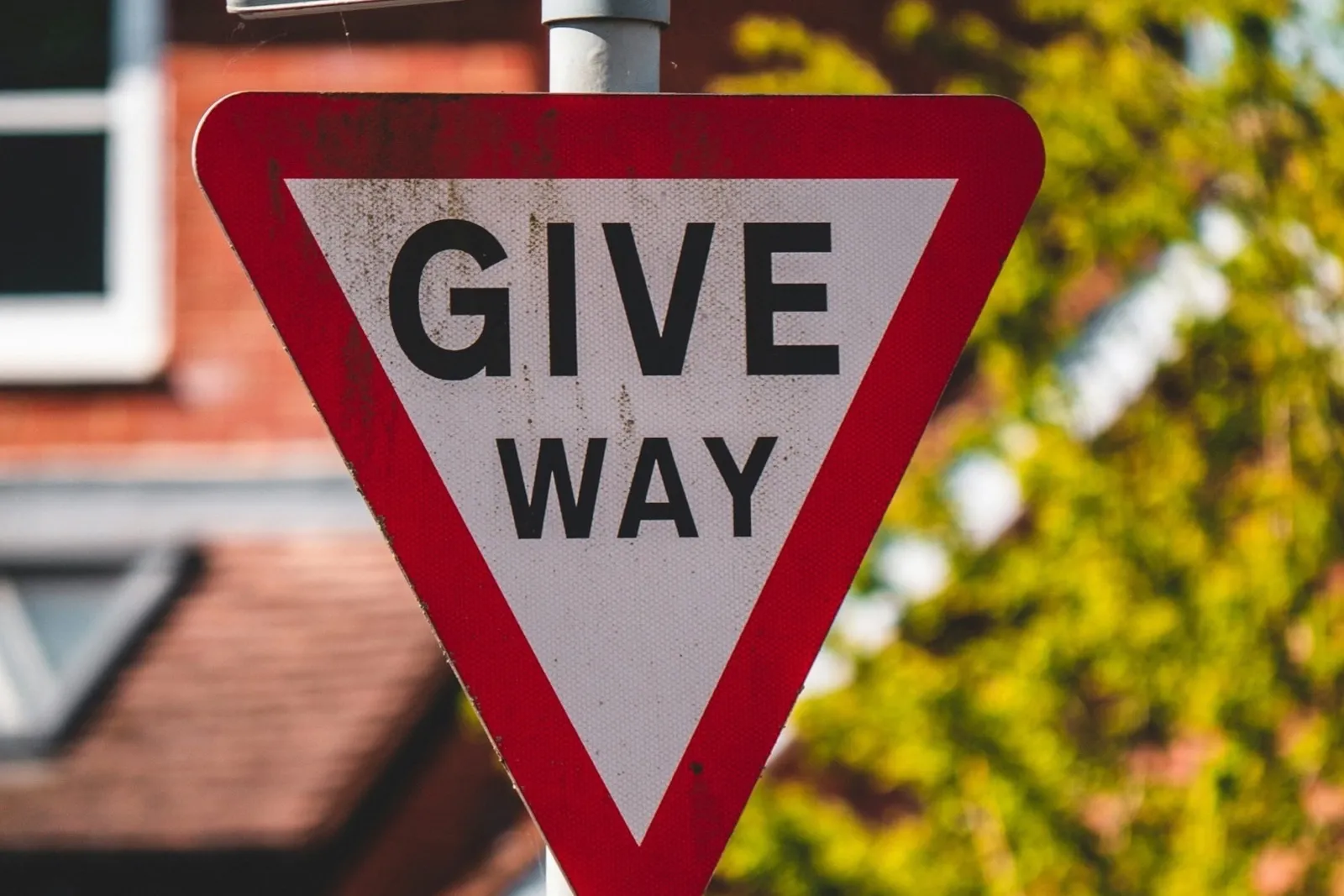
The give way sign - a red upside-down triangle - tells you to give priority to traffic on the road you're joining. Unlike a stop sign, you don't have to stop if the way is clear.
01
What it means
Give way means exactly that: let the traffic that has priority go first. At a junction it's paired with a triangle painted on the road and a double broken white line across your lane. You must give way to traffic on the main road, but you're allowed to keep rolling and go when there's a safe gap - you only stop if you need to (Highway Code Rule 172).
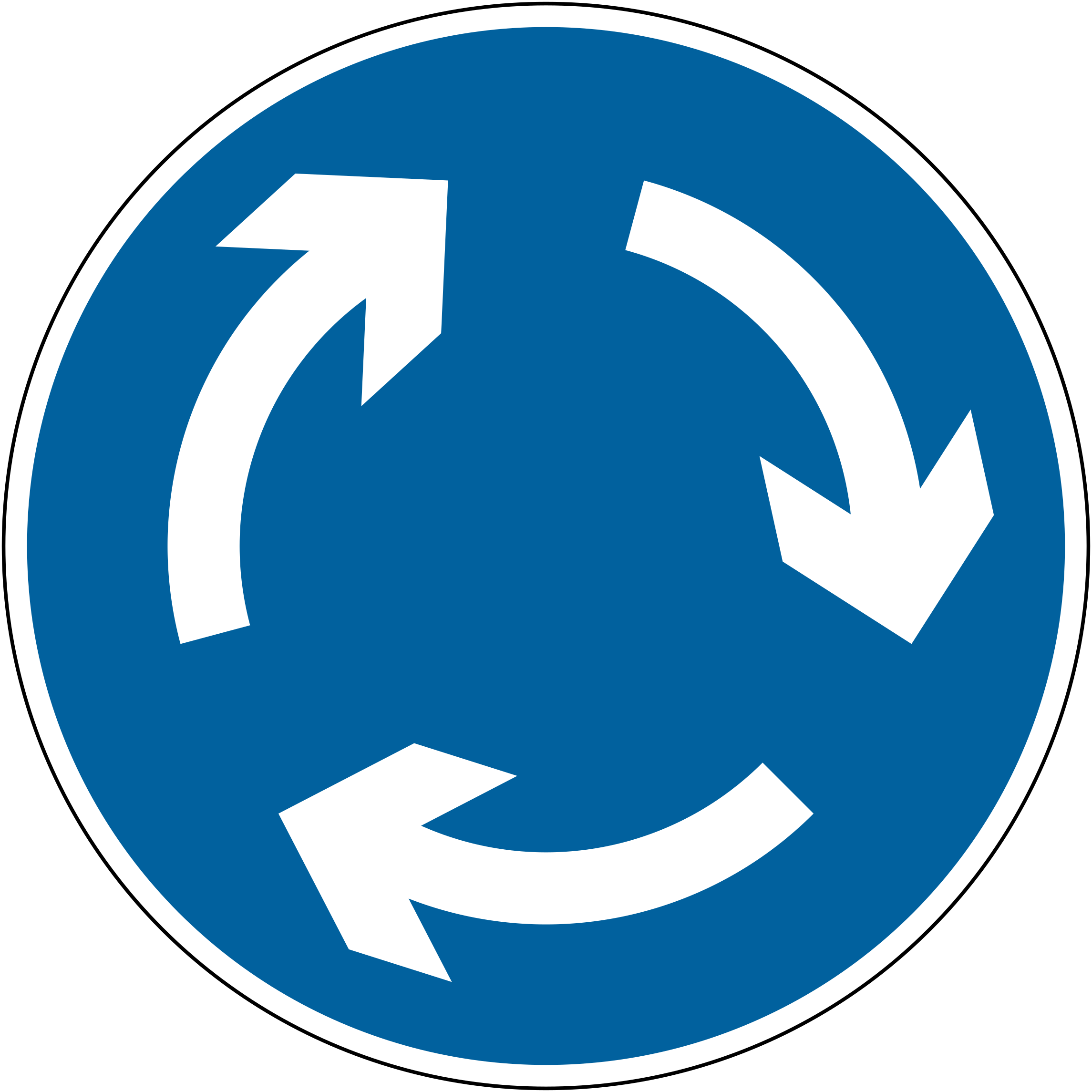
It's the default priority marking on Britain's roads, and the same 'give way to the right' idea governs roundabouts (Rule 185), where you give priority to traffic coming from your right unless signs or markings say otherwise.
02
Where you'll see it
You meet it emerging from a minor road onto a busier one, joining a roundabout, at the end of slip roads, and at narrow-road priority points. In a busy place like London the gaps are smaller and the traffic constant, so reading them early matters.
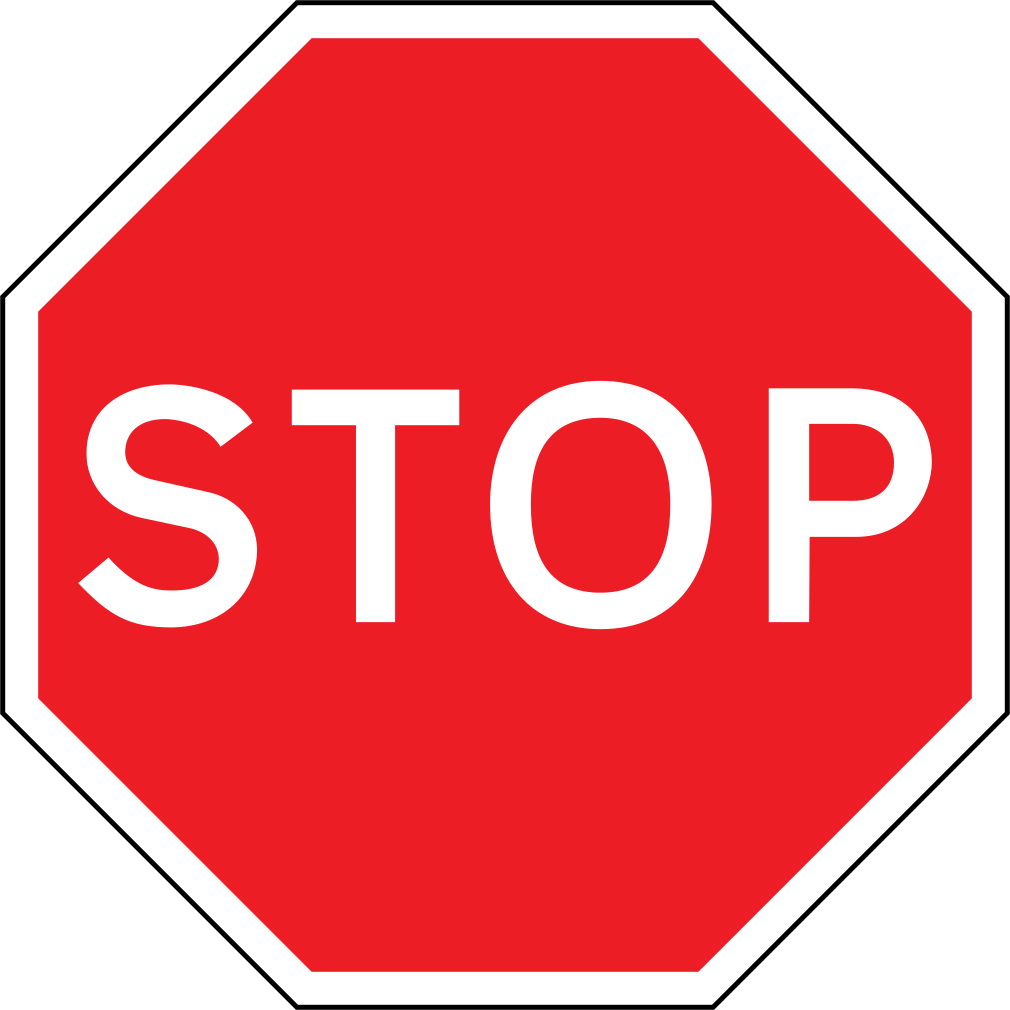
The road tells you too: a double broken white line with a painted triangle means give way; a single solid white line with a STOP sign means you must always stop.
03
On your driving test
Junction observation is the single most common reason people fail the driving test, and give-way junctions are where it happens. The two faults examiners see most are not giving way (pulling out and making another driver slow or swerve, a serious fault) and the opposite - hesitating and sitting still when the road is clearly clear.
Get it right by looking early and properly, keeping the car moving slowly as you assess, and going decisively when it's safe. Creeping over the line or stopping dead every time both cost you marks.
Often confused with
Quick answers
Do you have to stop at a give way sign?
No. You give way - you only stop if there's traffic you must let pass. If the road is clear you can keep going without stopping. That is the key difference from a STOP sign, where you must stop every time.
What is the difference between give way and stop?
A give way sign is an upside-down triangle with a broken white line, and you stop only if needed. A STOP sign is an octagon with a solid white line, and you must come to a complete stop every time, even if the road looks empty.
Who has priority at a roundabout?
Give way to traffic coming from your immediate right, unless signs, road markings or traffic lights tell you otherwise (Highway Code Rule 185).
Sign artwork is Crown copyright, reproduced under the Open Government Licence v3.0; meanings from the Highway Code (gov.uk).
Last updated:
Start with a first lesson.