
For learners
Bus lanes, box junctions & moving-traffic fines
Bus lanes and yellow boxes generate more camera fines than almost anything else on UK roads - not because drivers are reckless, but because the rules are read in a hurry. Two minutes here saves £160: exactly when a bus lane applies, when you may sit in a yellow box, and how the cameras decide.
01
How a bus lane works
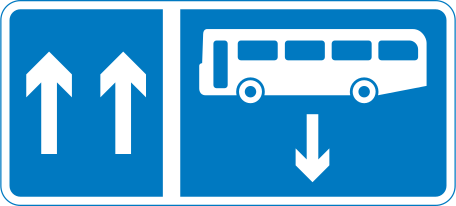
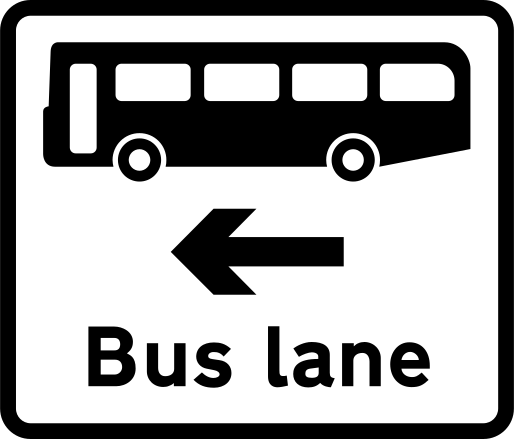
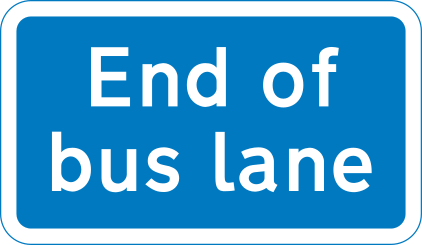
- A bus lane is reserved for the vehicles named on its sign - buses, usually pedal cycles, often taxis - during the hours shown on the plate.
- If no times are shown, it operates 24 hours. If times are shown, outside them ANY vehicle can use the lane - a rush-hour bus lane is often a normal lane at midday.
- The lane is marked by a solid white line and 'BUS LANE' on the road. A with-flow lane runs your way; a contra-flow lane runs against you, so buses come towards you on a one-way street - look both ways.
- You may cross a bus lane to turn into a side road or a property, or to pass a stationary obstruction - driving ALONG it during its hours is the contravention.
02
Bus gates and bus-only streets
- A bus gate is a short camera-enforced section that only buses (and any vehicles on the sign) may pass through - often in a town centre where a through-road was closed to cars.
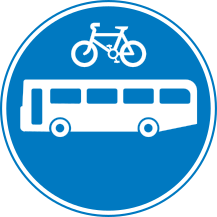
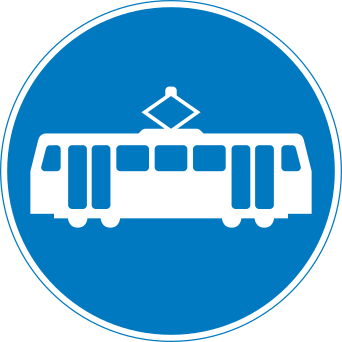
- 'Buses and cycles only' or 'trams only' route signs mean exactly that: no cars at any time, not just during bus-lane hours.
- Bus gates catch out more visitors than any other restriction because sat navs sometimes route through them - read the road, not just the map.
03
Yellow box junctions
- The rule (Highway Code rule 174): you MUST NOT enter the yellow criss-cross box unless your exit road or lane is clear - so you never get stranded blocking the junction.
- The one exception: you MAY enter and wait in the box when you want to turn right and only oncoming traffic (or other right-turning queuers) stops you from completing the turn.
- Judge it before the box, not in it: if the queue ahead hasn't cleared your exit, hold back at the line even if the lights are green.
- Since 2022, councils outside London can also camera-enforce box junctions - it's no longer just a London risk.
04
Other moving-traffic contraventions
- The same civil camera regime covers: banned turns (no left/right/U-turn), driving through a no-entry, ignoring mandatory arrows, and driving where motor vehicles are prohibited.
- These are the signs with legal force - blue circles tell you what you MUST do, red circles what you MUST NOT.
- Since the 2022 Moving Traffic Enforcement powers, councils across England can issue these by camera, not just the police.
Signs the cameras enforce
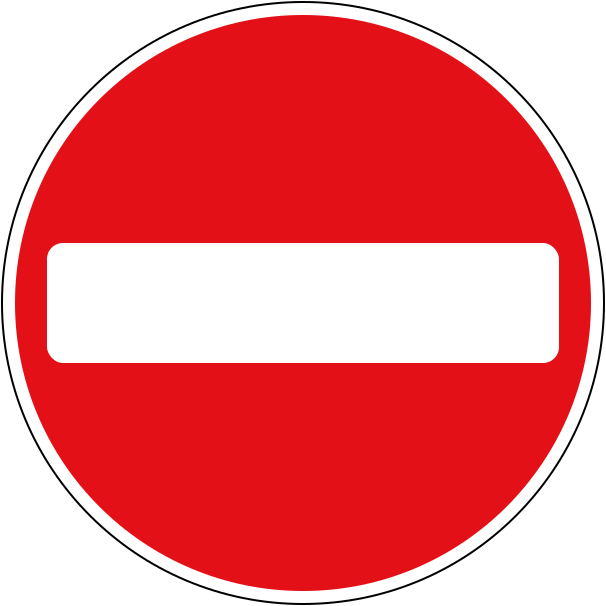
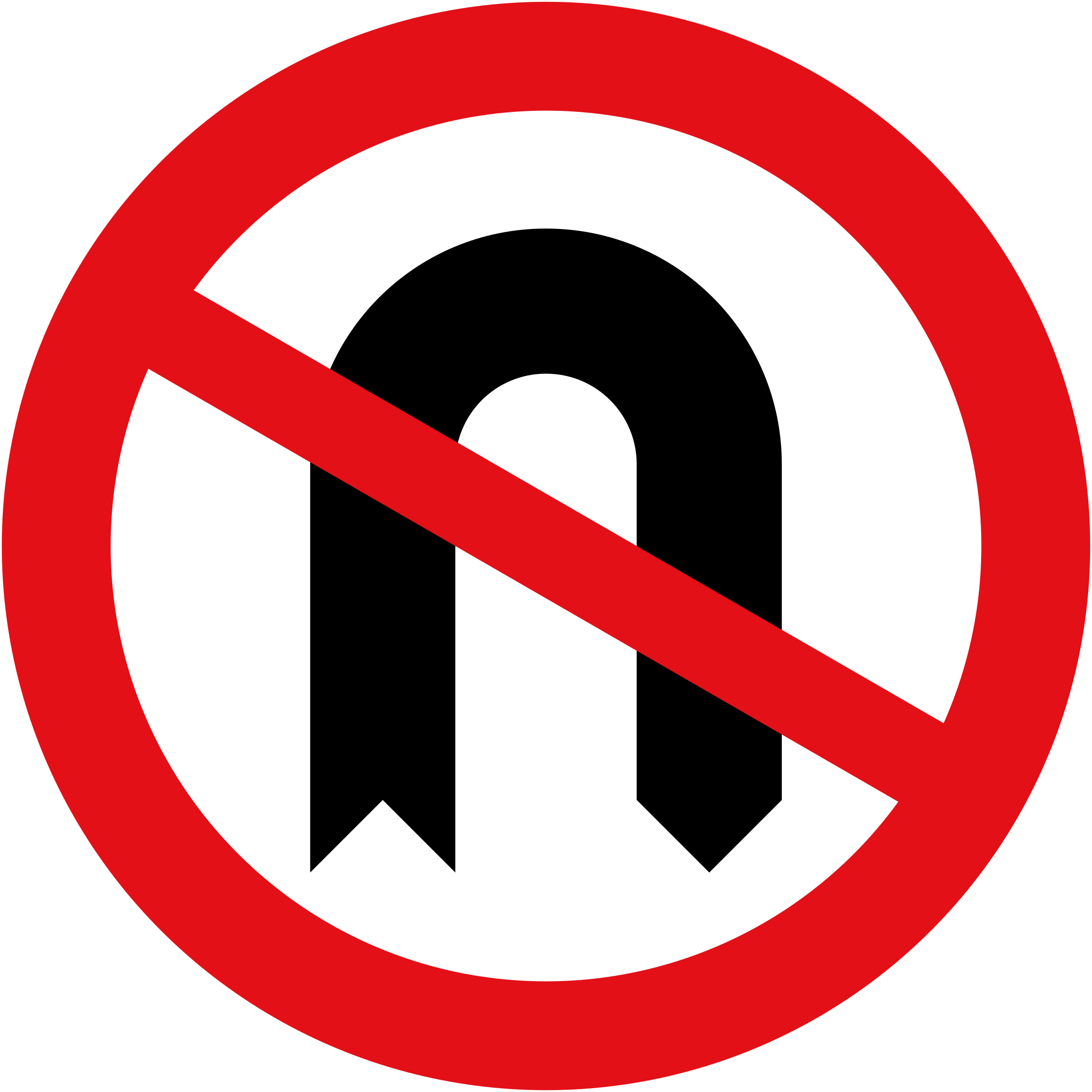
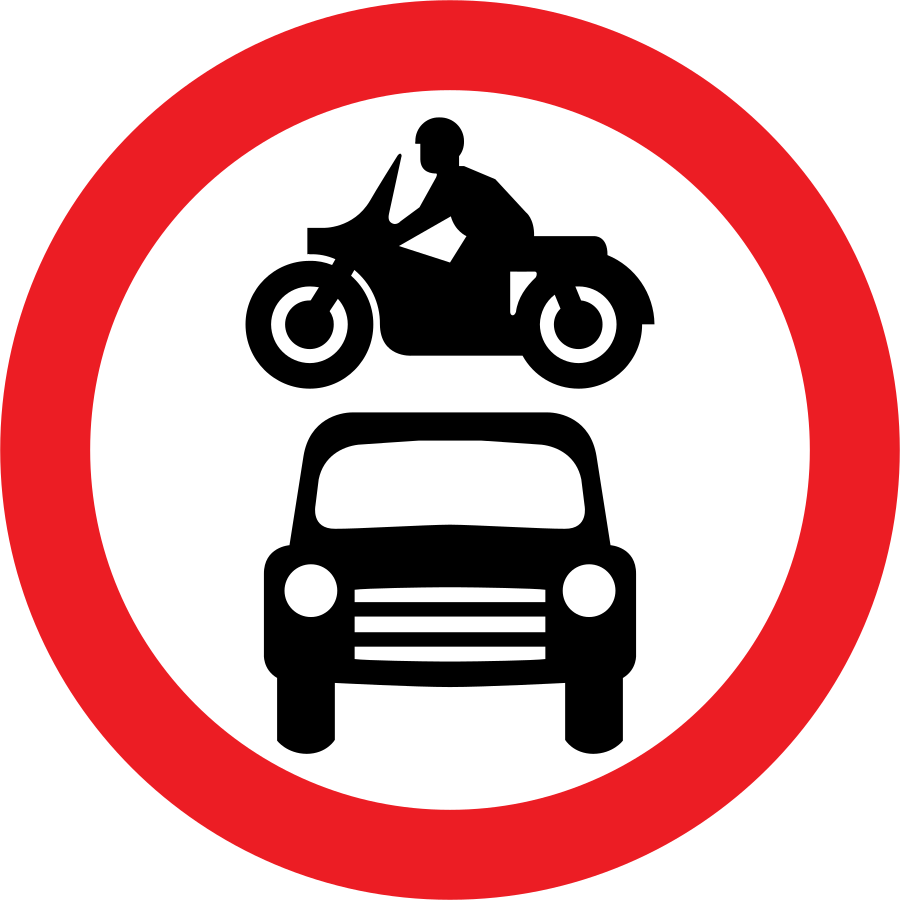
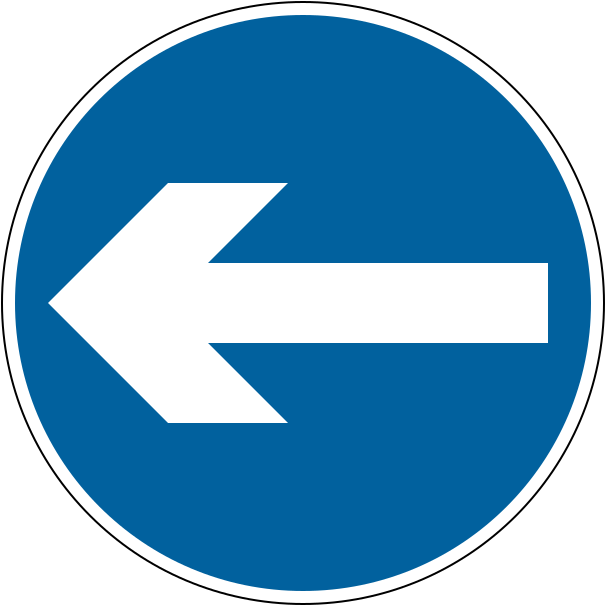
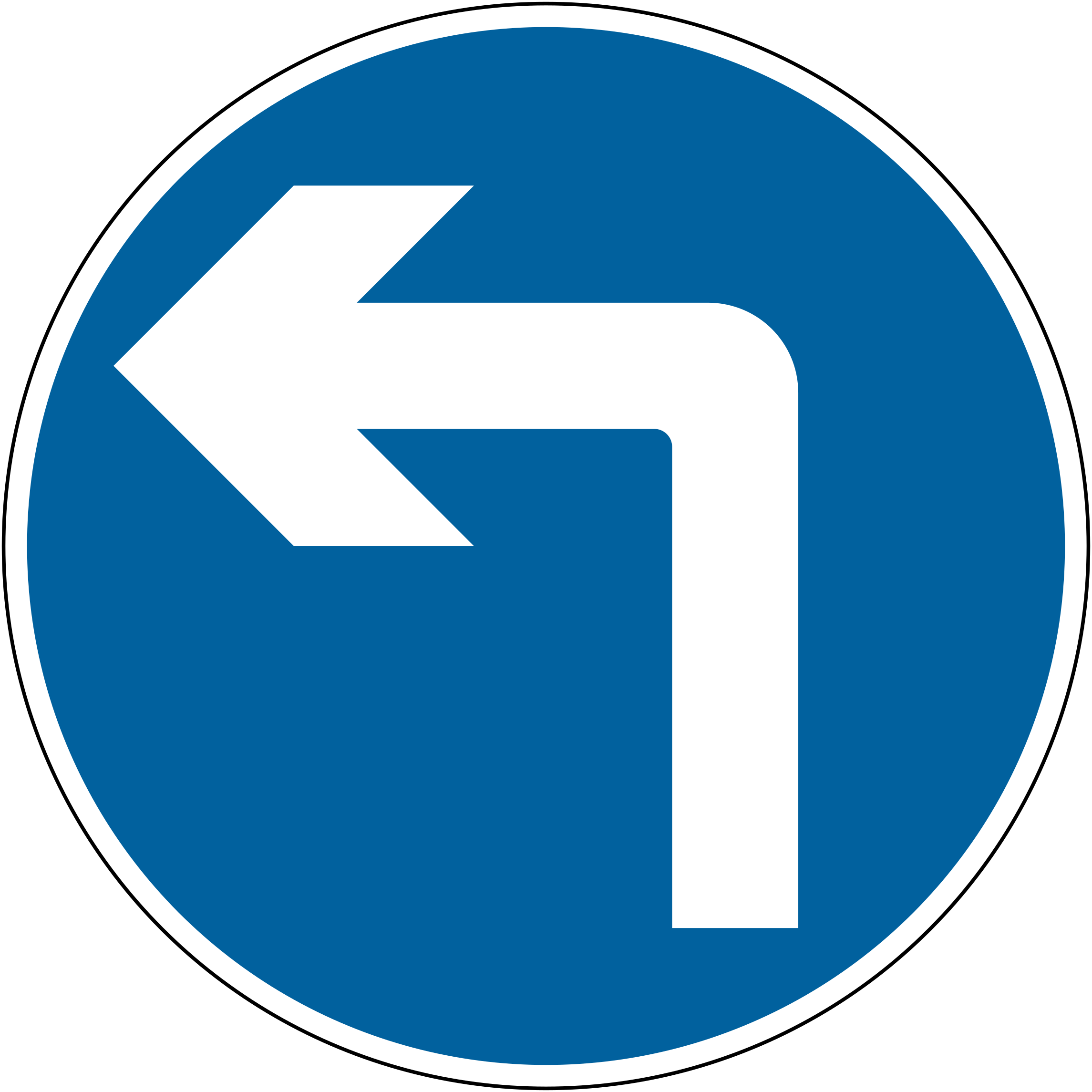
Traffic-sign artwork is Crown copyright, reproduced under the Open Government Licence v3.0; meanings from the Highway Code (gov.uk).
05
What the fines cost
| Contravention | London | Outside London | Early payment |
|---|---|---|---|
| Bus lane | £160 | typically £70 | roughly halved |
| Box junction | £160 | typically £70 | roughly halved |
| Banned turn / bus gate | £160 | typically £70 | roughly halved |
Civil PCNs: no licence points. London figures follow the 2025 London Councils rate; outside London most councils charge £70 (some £60). Camera evidence is reviewed by a person before a PCN is issued, and you can view the footage online before deciding to pay or challenge.
- I crossed into the bus lane for two seconds - will I be fined?
- Enforcement targets driving along the lane, not clipping it briefly to pass an obstruction or turn. Councils review the footage before issuing; a momentary, justified crossing is normally not penalised.
- Do these fines carry points?
- No - bus lane, box junction and banned-turn PCNs are civil, money only. Running a red light or speeding is different: those are criminal, with points.
- Stuck in the box because the car ahead braked - is that a fine?
- The test is whether your exit was clear when you entered. If it genuinely was and traffic then stopped unexpectedly, challenge it with that explanation - adjudicators do allow it.
Last updated:
Start with a first lesson.