
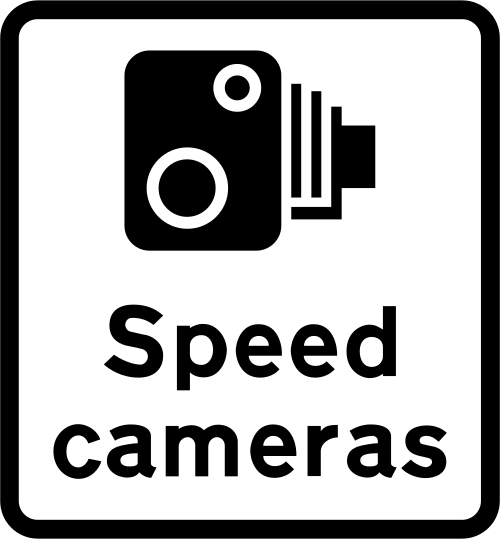
An information sign
Speed-limit camera enforcement area
A sign showing a camera means cameras are used to enforce the speed limit in the area ahead - not just at one point, but across a stretch or zone.
01
What it means
It warns that speed enforcement cameras operate along the road or area beyond the sign. That can include average-speed cameras, which measure your speed between two points rather than at a single flash, so slowing only for the camera doesn't work - you have to keep to the limit the whole way.
The message is simple: keep to the limit throughout, not just where you expect a camera.
02
Where you'll see it
Motorway and A-road roadworks, average-speed sections, and urban corridors with a persistent speeding problem.
03
On your driving test
Cameras don't change how you should drive on test - keep to the limit anyway. The habit the sign encourages (steady, legal speed across a whole stretch) is exactly what examiners want.
Fines and penalties
Speeding is a criminal offence, not a parking-style charge. The minimum is usually a £100 fine and 3 penalty points, or a speed-awareness course if you're eligible; serious cases go to court with bigger fines and more points. New drivers lose their licence at 6 points within two years.
Often confused with
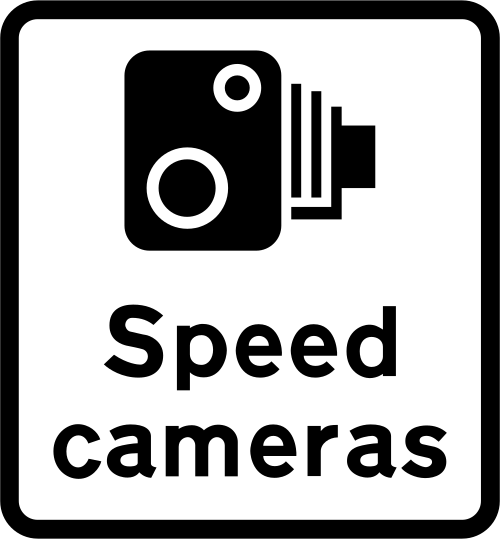
Quick answers
How is this different from a single speed-camera sign?
A single speed-camera sign warns of a camera at that spot; the camera-enforcement-area sign warns that cameras operate throughout the area or stretch ahead, often average-speed cameras measuring you over a distance.
Do average-speed cameras really measure the whole distance?
Yes - they read your plate at two points and work out your average speed between them, so braking just for a camera doesn't help. Keep to the limit the whole way.
Sign artwork is Crown copyright, reproduced under the Open Government Licence v3.0; meanings from the Highway Code (gov.uk).
Last updated:
Start with a first lesson.