
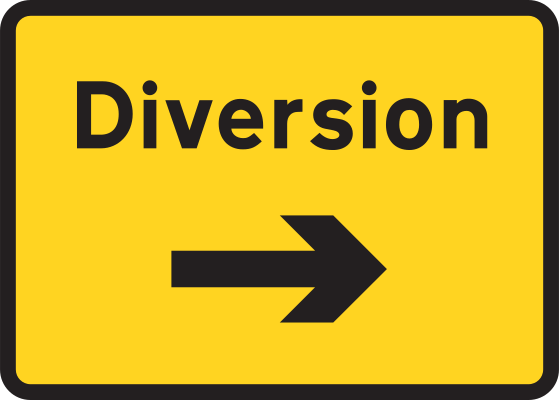
An information sign
Diversion
A yellow 'Diversion' sign with a black arrow marks the signed route around a road closure - follow the arrows and they'll bring you back to the road you were on.
01
What it means
Diversion signs are placed at every decision point along the alternative route, so you never need the sat nav: just follow each yellow sign to the next. On main roads you'll also see yellow plates with a black triangle, square, circle or diamond - these mark pre-planned emergency diversion routes for motorways and A-roads; follow the matching symbol.
If the arrows seem to stop, carry on along the road you're on - a missing sign usually means 'no turn here'.
02
Where you'll see it
Around any signed closure, and as the symbol plates on trunk-road junctions ready for motorway closures.
03
On your driving test
Diversions reward exactly what examiners assess: reading signs early, planning lane position, and staying calm off your intended route.
Often confused with
Quick answers
What do the black triangle, square, circle and diamond mean?
They mark pre-planned emergency diversion routes around motorway and trunk-road closures. Note the symbol shown at the closure, then follow plates with that same symbol back to your road.
Do I have to follow a diversion?
You can choose your own way round, but the signed diversion is the route checked to be suitable for all the diverted traffic - on an unfamiliar road it's nearly always the fastest safe option.
Sign artwork is Crown copyright, reproduced under the Open Government Licence v3.0; meanings from the Highway Code (gov.uk).
Last updated:
Start with a first lesson.